Background and career
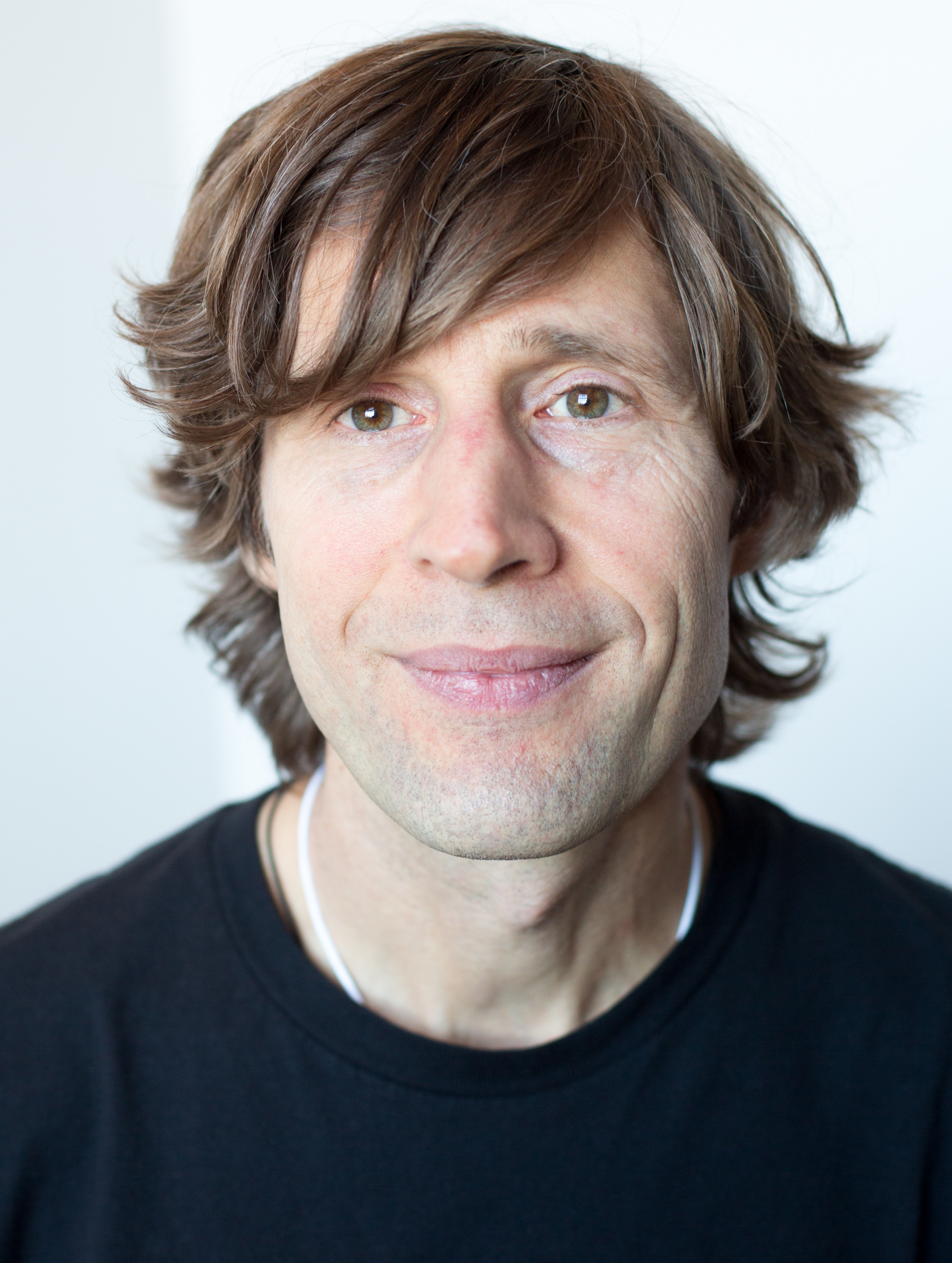
John Rodney Mullen (born August 17, 1966) is an American professional skateboarder who practices freestyle skateboarding and street skateboarding. He is considered one of the most influential skateboarders of all time. Mullen is credited for inventing numerous tricks, including the flatground ollie, kickflip, heelflip, impossible, and 360-kickflip. As a result, he has been called the "godfather of modern street skating". Rodney Mullen won his first world freestyle skateboard championship at the age of 14; over the following decade, he won 34 out of 35 freestyle contests, thus establishing the most successful competitive run in the history of the sport. Over the following years, he transitioned from freestyle to street skateboarding, adapting his accumulated freestyle skills to street and inventing or expanding upon additional tricks in the process, such as primo slides, dark slides, and Casper slides. Mullen has appeared in over 20 skateboarding videos and has co-authored an autobiography, entitled The Mutt: How to Skateboard and Not Kill Yourself, with writer Sean Mortimer.
Mullen was born and raised in Gainesville, Florida. His father was a dentist and property developer while his mother was a child prodigy and accomplished pianist who graduated high school at the age of 14. He and his family lived on a farm. As a child, Mullen slept in boots designed to correct a severe pigeon-toe condition. Despite Mullen's condition, "He had an incredible dexterity with his feet," said Phil Chiocchio, former owner of the Florida skatepark, Sensation Basin. Mullen began skateboarding at the age of ten, on New Year's Day of 1977, after a neighborhood friend introduced him to a skateboard. He promised his strict father that he would cease skateboarding the first time he became seriously injured:
My dad wouldn't let me have a skateboard. He thought I'd get hurt and never get good, and the culture was bums, and I'd turn into one. He was a dentist, but before that he was military, and there were times you'd call him, 'Sir.' New Year's Day he had a drink and felt better, and the skate shop was open. I learned to skate in our garage. We lived in the country in Florida, it was sort of farmish, and there was no cement anywhere else. Vert skating was the kind of skating that was done in pools, where you could get airborne and be weightless. The other style, which is what I did, was called freestyle, which was tricks you could do on flat ground. Mullen practiced in the garage of the family home while wearing a comprehensive protective pads setup, a precaution that was part of the deal with his father. He also spent time with his sister's surfer friends who skated on weekdays. He became obsessed with the skateboard and practiced for many hours on a daily basis. Mullen graduated from P. K. Yonge Developmental Research School where he had a 4.0 GPA and studied biomedical engineering at the University of Florida, where he majored in mathematics, although he later dropped out due to his daily schedule. Although talented, he was pathologically shy and suffered from anxiety as well as anorexia as a teenager; while on tour, he ran away from the Bones Brigade van during a rest stop in Maryland.
In 1978, even though he had only owned a skateboard for just over a year, Mullen placed fifth in the Boy's Freestyle category at the US Open Championships at Kona Skatepark in Jacksonville, Florida. Skateboard manufacturer Bruce Walker saw his performance and sponsored Mullen through Walker Skateboards from 1978 to 1980. Mullen's biggest influence in skateboarding at the time was a Walker professional skateboarder, Jim McCall, who was coached in his early years by Walker (Walker also coached a young Kelly Slater). Mullen was also influenced in a positive manner by professional skateboarders from Florida including Ed Womble, George McClellan, Clyde Rodgers, Tim Scroggs, and Kelly Lynn. In later years, Mullen was coached by Barry Zaritsky (also known as "SIO Barry"), who owned a company called SiO Safety Shorts. When his family moved to a farm in a remote part of Florida, Mullen began perfecting his flat ground techniques in the family garage; he has said that the isolation and lack of terrain naturally guided him towards freestyle skateboarding. Mullen cites July 1979–August 1980 as his "most creative time", a time when he was predominantly a loner who counted the cows of the family farm as his best friends. Mullen then proceeded to win thirty successive amateur competitions in the late 1970s, mostly in his home state of Florida, culminating in a win at the Oceanside Nationals in June 1979.
In 1980, the 14-year-old Mullen entered the Oasis Pro competition, defeating the world champion, Steve Rocco. At Oasis Skatepark Mullen also spotted a 12-year-old skater who "introduced himself as Tony Hawk." Recalled Mullen, "Before Tony was sponsored, before anybody knew anything about him, he made an impression on me," and the two would go on to become good friends.
Shortly thereafter, Mullen turned professional as a member of the renowned Bones Brigade team (the team was sponsored by the skateboard company Powell Peralta). Mullen was recommended to the Bones Brigade by skateboarder Tim Scroggs, who was a member of the team and a fellow Floridian. Scroggs specifically recommended Mullen to company co-founder Stacy Peralta, whom Mullen highly admired. Mullen competed voraciously throughout the 1980s, often frustrating competitors and judges with his consistency and progressive ability. Like most skaters at the time, Mullen skated a mix of styles, including some vert, before skateboarding became more clearly delineated, as skaters who were more freestyle-oriented gravitated toward street and those who had skated more transition, bowls, and pools went into vert. Mullen enrolled in the chemical engineering program at the University of Florida, leaving during his senior year prior to completing his degree in order to take over management of World Industries with fellow Bones Brigade team member and company co-founder Steve Rocco.



